
Winter is not a time in hibernate in Argyll & the Isles
by Robin McKelvie
So winter is a time to batten down the hatches and hide away, to follow Scotland’s wildlife and hibernate? Wrong, seriously wrong! Winter in Argyll and the Isles is actually a brilliant time to get out and about and see some of our most dramatic wildlife. This is the time of year when the red deer descend off the high hills and the wildlife loses much of its natural camouflage. It’s a life-affirming, spirit-soaring experience seeing animals in the wild in winter and really helps blow away the winter blues.
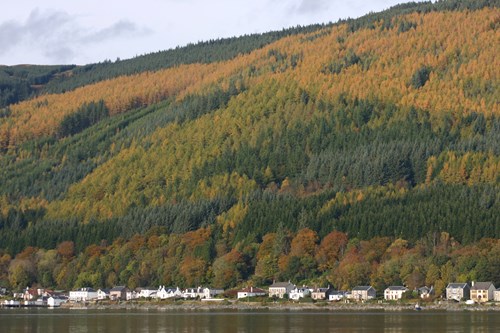
Image: View on the Argyll Forest Park
Take to the forest this winter
Argyll Forest Park was the first park created in the UK in 1935 and it’s a corker for wildlife. Set amidst its swathe of forests, glens, surging waterfalls and myriad lochs are all sorts of flora and fauna. The highlight for me is one of the smaller creatures, the gorgeous wee red squirrel. You can spot these furry-tailed wonders throughout the park. They can be red, but often they’re a lot darker so don’t be fooled. Kids absolutely love them. They are such fun creatures to watch as they fling themselves around the treetops. Contrary to what many people believe they do store up food for winter, but don’t actually hibernate so you can spot them throughout the winter. Glenbranter is a great place to spot red squirrels. There are so many options – for a chilled riverside stroll make for Ardentinny, while Corlarach is a top spot for red deer. You can cycle and hike throughout this great Argyll green lung – exercise and wildlife do wonders for the soul. Puck’s Glen for me is one of the finest short walks in Scotland too, a walk you’ll want to keep coming back to.
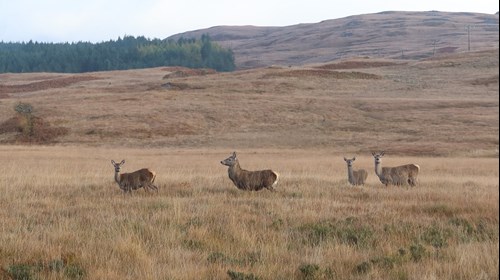
Image: Red deer on the Isle of Jura
Discover lovely Loch Awe this winter
Many people scoot by this gorgeous, sinewy loch as they push west to Oban. Don’t be one of them. Linger a while in winter and you’ll discover not only is it deeply scenic, but it’s also home to a remarkable array of wildlife. We’re talking those big hitters like red deer and golden eagles, but also other stars like woodpeckers, red squirrels and pine martens. If you’re short of time focus in on one area – I recommend the Glen Nant National Nature Reserve. There is a lovely wee walk here by the eponymous river – the Riverbank Trail - and a longer option that snakes you through the ancient oakwoods. This is the two mile long Ant Trail, a favourite of mine as you breathe in all that feelgood oakland air and check out the wildlife. You’ll be bursting with feelgood chemicals as you go.
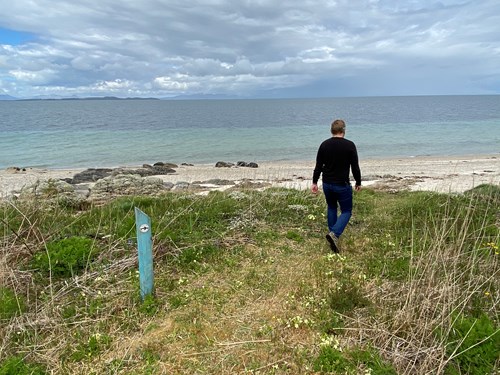
Image: Robin exploring the Kintyre 66
Hit the wildlife-rich Kintyre 66
Kintyre’s brilliant Kintyre 66 driving route is a great way to get into the local wildlife. The peninsula evokes the drama and romance of Paul McCartney’s ’Mull of Kintyre’ and its natural beauty is something else. You soar down south on the west coast looking out for seabirds, dolphins and whales as you peer over towards the isles of Jura and Gigha. Pushing out to the Mull of Kintyre itself you’re on the look out for birds, all manner of dolphins and even whales! Yes, everything from humpbacks and even killer whales have been spotted from here. Your journey continues working your way back up the east coast of Kintyre, where you’ll likely meet deer (red, fallow or roe) as you go. There will be seals and dolphins too in the deep waters of the Kilbrannan Sound, all looking otherworldly set against the backdrop of the snow-capped Arran Hills.
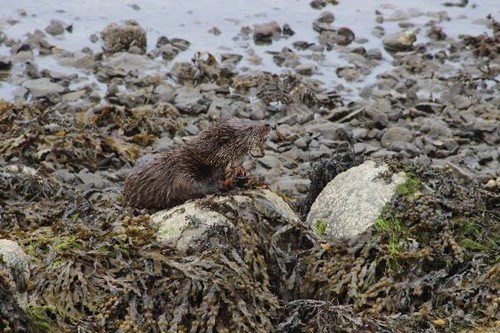
Image: An otter on the shore
Hike with wildlife on the Isle of Bute
While the Munro mountains may be off limits to many walkers in winter, Argyll & the Isles still boasts plenty of world-class walking throughout winter. The brilliantly named West Island Way on the Isle of Bute works very well. I’ve walked its 30 mile entirety and it’s a sheer joy. The southern stretches eke around the coast and really open up the area’s marine mammals. On my hike here I saw seals, porpoises dolphins and otters! Make sure to take plenty of breaks and just scan the wildlife rich waters of the Firth of Clyde. On the northern stretches of the walk you strive deep up Glen More after crossing the Highland Boundary Fault. This is proper wild Scotland, a land where red deer and birds of prey outnumber people – it’s likely you’ll see both.
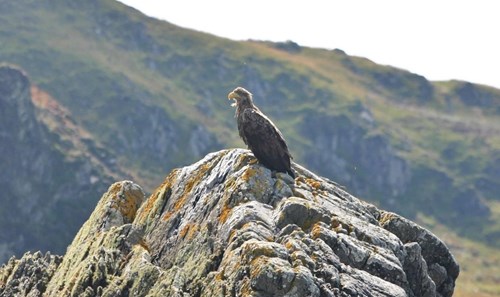
Image: Sea eagle capture by Islay Sea Adventures
See them all on the Isle of Mull
Hand on tartan heart there is no better winter wildlife viewing in Scotland than on Mull. I was over recently and I can thoroughly recommend two bases. First the Isle of Mull Hotel & Spa sits right on the coast. From my plush room I sat scanning the waters for dolphins. The highlight was in the outdoor hot tub in their spa when I spotted an otter just offshore. Secondly, I recommend the Tobermory Youth Hostel. In winter their ‘Rentahostel’ scheme allows you to have a whole hostel to yourself! We loved having the run of the place. From here we set out on out own wildlife safaris. We walked out to Tobermory Lighthouse spotting porpoises down below on the final approach to the lighthouse. It’s more otters around Loch Spelve before we pushed on to the Ross of Mull. We spent an afternoon here and caught sight of a brace of sea eagles – the flying barn doors of the Scottish wildlife scene. We also saw more otters – one right in front of us – as well as a swathe of migratory birds. Mull really is a paradise for wildlife and you don’t even need a guide at these spots. If you want one, Mull-based Nature Scotland offer bespoke trips during winter.